
10 Step Wash Routine
- Open up all the necessary Doors, Panels, and Grilles.
- Perform a visual inspection to identify any major leaks on exterior, fuel tank, and interior of Reefer.
- Wash Condenser Coil(s).*
- Wash Engine, Compressor, Refrigeration components, and interior surface of Doors, Panels, and Grilles.
- Wash Condenser Coil(s), Engine, Compressor and Refrigeration components with “Salt Lick”.
- Securely fasten all Doors, Panels, and Grilles.
- Wash exterior surface of Doors, Panels, and Grilles.
- Wash trailer panels beside and under Reefer.
- Wash fuel tank.**
- Clean out any debris in Evaporator section of Reefer inside trailer.
Cleaning Detergents
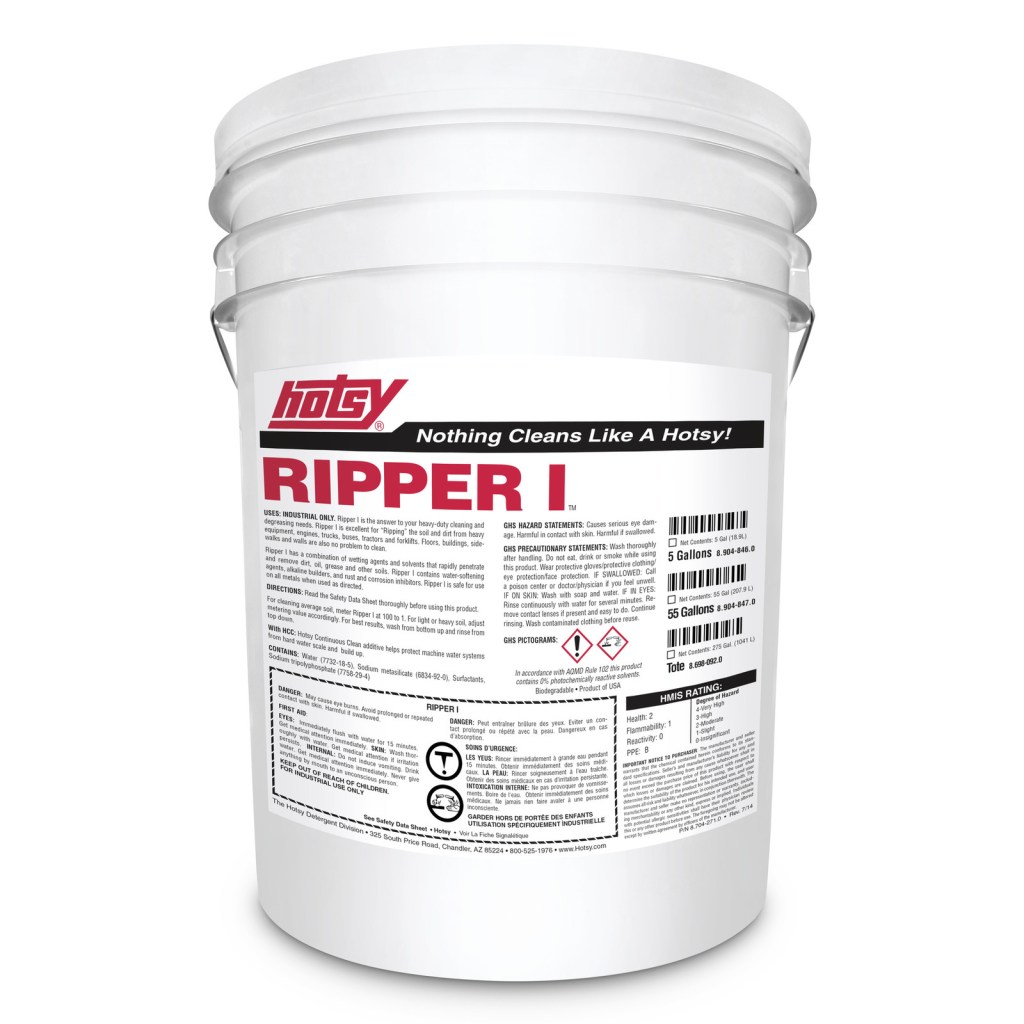
Ripper I has a combination of wetting agents and solvents that rapidly penetrate and remove dirt, oil, grease and other soils. Ripper I contains water-softening agents, alkaline builders, and rust and corrosion inhibitors.
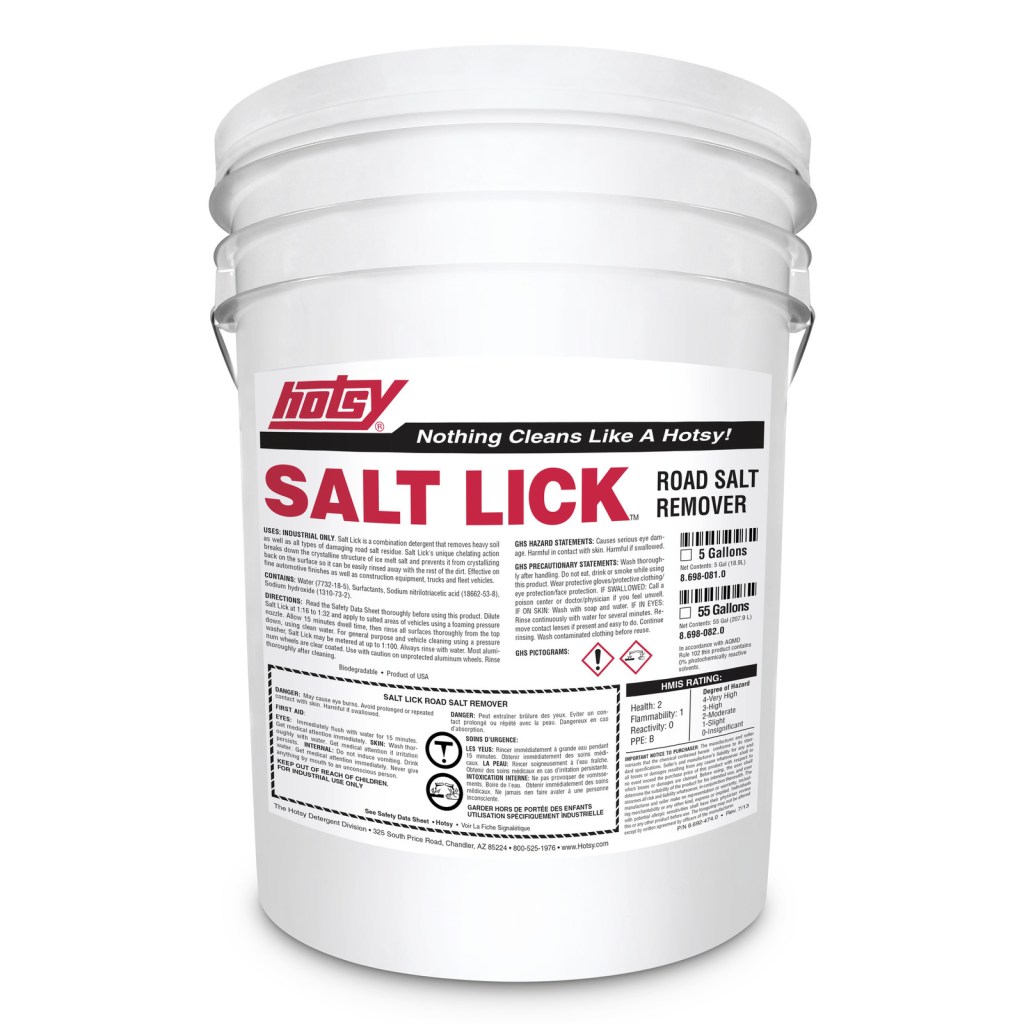
Salt Lick is a combination detergent that removes heavy soil as well as damaging salt residue. This unique formula breaks down the crystaline structure of ice melt products and prevents it from crystalizing back on the surface so it can be easily rinsed away with the rest of the dirt.
NOTE:
*If Refrigerant is leaking from the Condenser Coil, it will not be washed. The Technician will need to verify the leak before replacing it, so any noticeable signs of a leak will speed up their search for the leak.
**If the fuel tank is leaking at the straps, it will not be washed. The Technician will need to verify the leak before replacing it, so any noticeable signs of a leak will speed up their search for the leak. I also do not want to shoot water into the fuel system.
If fuel tank does not have a hose attached to the vent, I will install one. Without it, water can enter fuel tank while being washed and while being pulled in wet conditions.
Any other major leaks will just be noted in the Leak Report and the information passed onto the customer to arrange any possible repairs.
 Transport Refrigeration Repairs and Washing